Diamond Blades for Reinforced Concrete: Professional Cutting Guide
Reinforced concrete is one of the toughest materials to cut. Steel rebar, dense cured concrete, and vibration from embedded metal create heavy resistance and heat. To cut efficiently and safely, you need a blade engineered specifically for steel-embedded concrete—one with the correct bond hardness, segment design, and core strength to handle aggressive materials without glazing or segment loss.
This guide outlines the best blade types for reinforced concrete, ideal segment structures, troubleshooting tips, and a detailed comparison against standard cured concrete blades.
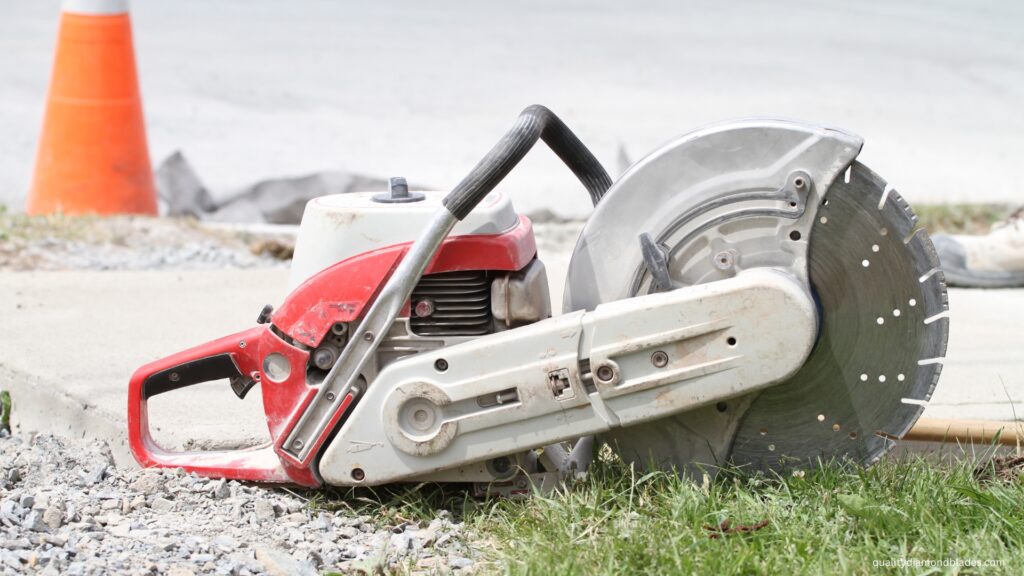
Best Bond Hardness for Reinforced Concrete
Reinforced concrete combines hard aggregate with steel, which aggressively wears diamonds and generates heat. To maintain speed and avoid glazing, use a soft-bond blade.
Recommended Bond Type: Soft Bond
A soft bond releases diamonds faster, ensuring new cutting edges stay exposed when transitioning between concrete and rebar.
- When Medium Bond Works:
- Lighter reinforcement
- Lower-PSI slabs
- Short, shallow cuts
Soft bond remains the top choice for consistent performance through thick steel and hard aggregate.
Best Segment Design for Reinforced Concrete
Segment strength and cooling structure matter more than ever when cutting steel.
Ideal Segment Designs
Laser-Welded Segments
- Maximum durability
- Withstands high RPM and deep cuts
- Prevents segment separation when hitting rebar
- Drop Segments or Deep Gullets
- Reduces binding around steel
- Improves cooling and slurry removal
- Turbo Hybrid Segments (Optional)
- Helps maintain speed in mixed materials
- Smooths transitions between concrete and steel
Best Diameter for Cutting Reinforced Concrete
The ideal diameter depends on saw type and cut depth.
Recommended Diameters
12″–14″ for handheld saws
16″–20″ for walk-behind saws
20″+ for deep structural cuts or large demolition projects
Ensure the blade diameter matches your saw’s RPM rating to avoid overheating or core distortion.
Wet vs. Dry Cutting Recommendations
Reinforced concrete generates extreme heat when the blade meets steel.
Best Method: Wet Cutting Only
- Keeps temperature stable
- Reduces segment stress
- Improves cutting speed
- Extends blade life
Dry cutting through rebar should be avoided due to heat, vibration, and safety risks.
Expected Blade Life on Reinforced Concrete
Soft-bond blades cut faster through steel but wear quicker than blades used on plain cured concrete.
General Blade Life Expectations
- Soft-bond segmented blade: moderate life but fastest cutting
- Tall segments: significantly extend lifespan
- Laser-welded construction: maximizes lifespan and structural safety
- Soft-bond blades sacrifice longevity in exchange for speed on steel-embedded materials.
Safety Considerations When Cutting Reinforced Concrete
Rebar cutting introduces additional hazards, requiring strict safety procedure.
Key Safety Requirements
- Verify blade is rated for rebar and soft-bond applications
- Maintain consistent water flow at all times
- Wear full PPE: respirator, face shield, hearing protection, gloves
- Avoid twisting or forcing the blade through steel
- Let diamonds grind naturally; don’t force penetration
Inspect segments regularly for cracks or uneven wear
Cutting pressure and heat rise quickly when encountering steel, so controlled cutting is essential.
Troubleshooting Common Reinforced Concrete Cutting Issues
1. Blade Slows Down on Rebar
Cause: Bond too hard or diamonds glazing
Fix: Switch to soft bond; dress blade if needed
2. Blade Overheats Quickly
Cause: Insufficient water or saw RPM mismatch
Fix: Increase water flow; verify correct blade diameter and RPM
3. Segment Loss
Cause: Non-laser-welded segments or overheating
Fix: Use laser-welded blades only; maintain cooling
4. Blade Wobble or Vibration
Cause: Weak core or worn segments
Fix: Use reinforced core with vibration-reduction slots
Detailed Comparison: Reinforced Concrete vs. Cured Concrete Blades
| Feature | Reinforced Concrete | Standard Cured Concrete |
|---|---|---|
| Material Hardness | Hard concrete with steel rebar | Hard cured concrete (no steel) |
| Optimal Bond | Soft Bond for continuous diamond exposure | Medium Bond (Soft Bond for very hard slabs) |
| Segment Design | Laser-welded, deep gullets, drop segments | Segmented or turbo rim |
| Heat Management | Requires wet cutting due to steel friction | Wet recommended for long cuts, optional dry on shallow cuts |
| Cutting Speed | Fastest with soft bond; slows on rebar transitions | Moderate to fast with medium bond blades |
| Blade Life | Moderate lifespan due to steel abrasion | Longer lifespan due to less abrasive cutting |
| Common Problems | Overheating, glazing, segment stress | Overheating, slow cutting |
| Troubleshooting | Dress blade; increase cooling; soften bond | Adjust bond; increase water; use turbo rim for cleaner cuts |
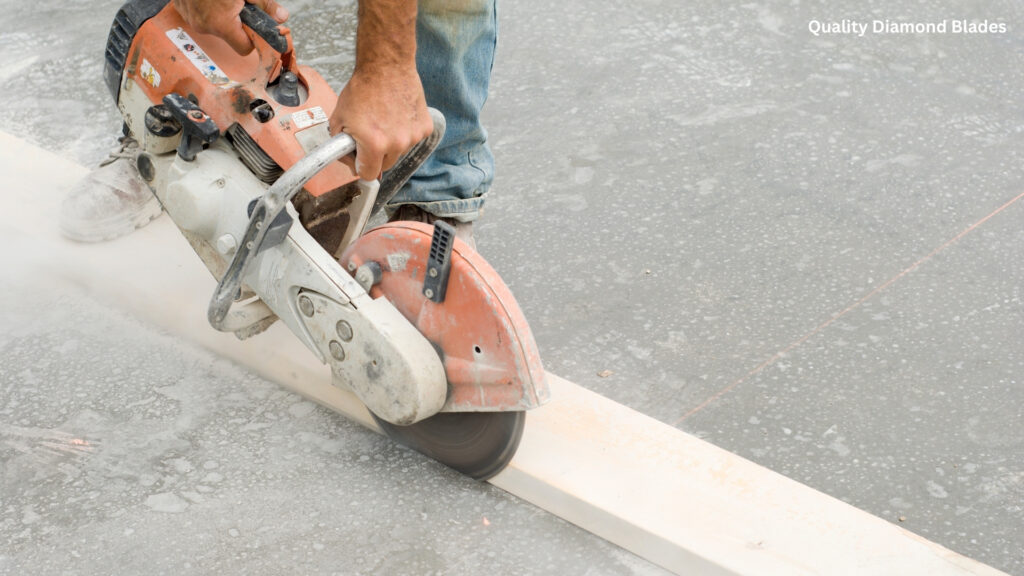
Who Is This Blade For?
-
Contractors and construction professionals who demand high performance and fewer blade changes.
-
Masonry and concrete specialists working on structural, slab or commercial jobs.
-
Serious DIYers tackling major concrete work—foundation repair, slab cutting, renovation or addition.
-
Any project or job site where reliable, professional-grade concrete cutting is required.
- FREE Shipping over $100
- Engineered for Maximum Durability
- Precision Cuts Every Time
- Fits All Major Saw Brands
- Trusted by Industry Professionals
- Money-Back Satisfaction Guarantee
- Fast, Reliable Customer Support
- Bulk Discounts Available
- Perfect for Wet or Dry Cutting
Services
Concrete Cutting BladesMasonry Diamond BladesMetal Cutting BladesDemolition BladesAsphalt Cutting BladesStone Cutting BladesContact Us
- 25583 Avenue Stanford, Santa Clarita, CA 91355 United States
- Mon - Fri: 9am - 5pm Sat 9-3pm