Diamond Blades for Porcelain Tile: Precision Cutting GuidePorcelain tile
Porcelain tile is dense, hard, and brittle—making it one of the most challenging materials to cut cleanly. To avoid chipping, micro-fractures, and edge blowout, you need a blade engineered for precision. The right rim style, bond composition, and cooling method ensures smooth, chip-free cuts whether you’re installing floors, countertops, or wall tile.
This guide outlines the best blade types for porcelain tile, recommended cutting methods, troubleshooting, and a detailed comparison against standard masonry or concrete blades.
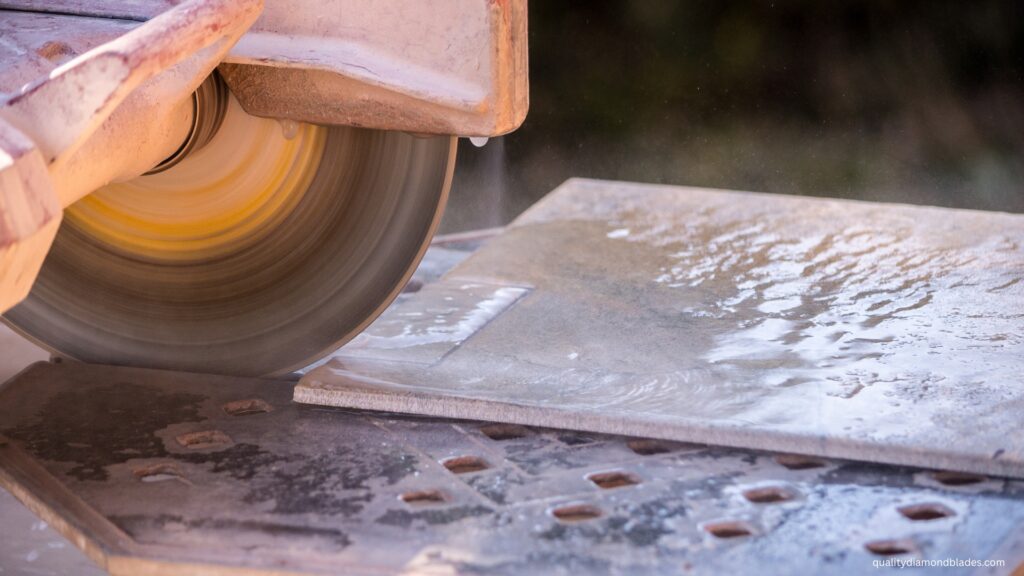
Best Bond Hardness for Porcelain Tile
Porcelain requires a blade that keeps diamonds exposed for a clean, controlled grind.
Recommended Bond Type: Hard Bond (Fine Diamond Matrix)
A hard bond stabilizes the diamonds during slow, precise cuts and prevents premature wear.
Why Hard Bond Works for Porcelain:
Porcelain is extremely dense
Diamonds must stay embedded longer to maintain smooth surface grinding
Prevents aggressive cutting that leads to chipping
High-quality porcelain blades use a fine diamond matrix that produces smoother edges and a polished finish.
Best Segment Design for Porcelain Tile
Porcelain needs a rim that allows continuous contact with minimal vibration.
Ideal Segment Designs
Continuous Rim
- Smoothest, cleanest finish
- Eliminates chipping on edges
- Best for wet saws and precision work
- Turbo Rim (Fine Turbo)
- Slightly faster cutting than continuous rim
- Helps prevent binding
- Suitable for harder porcelain and larger tiles
- Continuous rim remains the top choice for installers who demand flawless edges.
Best Blade Diameter for Porcelain Tile Cutting
Match the blade size to your tile saw for the best accuracy.
Recommended Diameters
7″–10″ for tabletop tile saws
4.5″–5″ for handheld grinders (ideal for L-cuts or plunge cuts)
6″–8″ for specialty wet saws or precision detail work
Smaller blades give more accuracy; larger blades provide stability on larger-format tiles.
Wet vs. Dry Cutting Recommendations
Porcelain generates heat quickly, and dry cutting dramatically increases chipping risk.
Best Method: Wet Cutting Only
Provides the cleanest, chip-free cuts
Keeps blade cool
Extends blade life
Reduces tile cracking and surface stress
Dry cutting is suitable only for small adjustments using a grinder with a fine turbo rim.
Expected Blade Life on Porcelain Tile
Porcelain is dense, so blade lifespan depends heavily on rim design and cooling.
Typical Lifespan Expectations
- Continuous rim → longest life and cleanest finish
- Fine turbo rim → slightly shorter life but faster cutting
- Proper water flow increases lifespan significantly
- Premium blades with fine diamond particles maintain smooth cutting longer.
Safety Considerations for Porcelain Tile Cutting
Porcelain cutting requires controlled pressure and proper cooling.
Safety Notes
- Always use water when cutting on a tile saw
- Wear eye protection and gloves
- Support tile fully to avoid crack propagation
- Use slow, steady feed pressure
- Avoid forcing the blade through the tile
- Proper technique prevents chipping and ensures clean edges.
Troubleshooting Porcelain Tile Cutting Issues
1. Chipping Along the Edge
Cause: Wrong rim type or dry cutting
Fix: Switch to continuous rim with water
2. Slow Cutting Speed
Cause: Diamonds glazing over
Fix: Dress the blade lightly on a dressing stone or scrap brick
3. Burn Marks on Tile
Cause: Insufficient water flow
Fix: Increase cooling; inspect water ports
4. Tile Cracking
Cause: Too much force or vibration
Fix: Support tile fully; reduce feed pressure
Detailed Comparison: Porcelain Tile vs. Masonry & Concrete Blades
| Feature | Porcelain Tile Blades | Standard Masonry/Concrete Blades |
|---|---|---|
| Material Type | Dense, brittle, fine-grain ceramic | Abrasive masonry or dense concrete |
| Optimal Bond Hardness | Hard Bond with fine diamonds | Medium or hard bond depending on material |
| Segment Design | Continuous Rim (best) or fine turbo | Segmented or turbo rim |
| Cutting Speed | Slow, controlled for clean edges | Faster, more aggressive |
| Heat Management | Wet cutting essential | Wet recommended for deep cuts; dry possible |
| Blade Life | Long with proper water cooling | Varies widely; not optimized for porcelain |
| Cut Quality | Smooth, chip-free finish | Higher risk of chipping on porcelain |
| Common Problems | Chipping, overheating, glazing | Overheating or rapid wear |
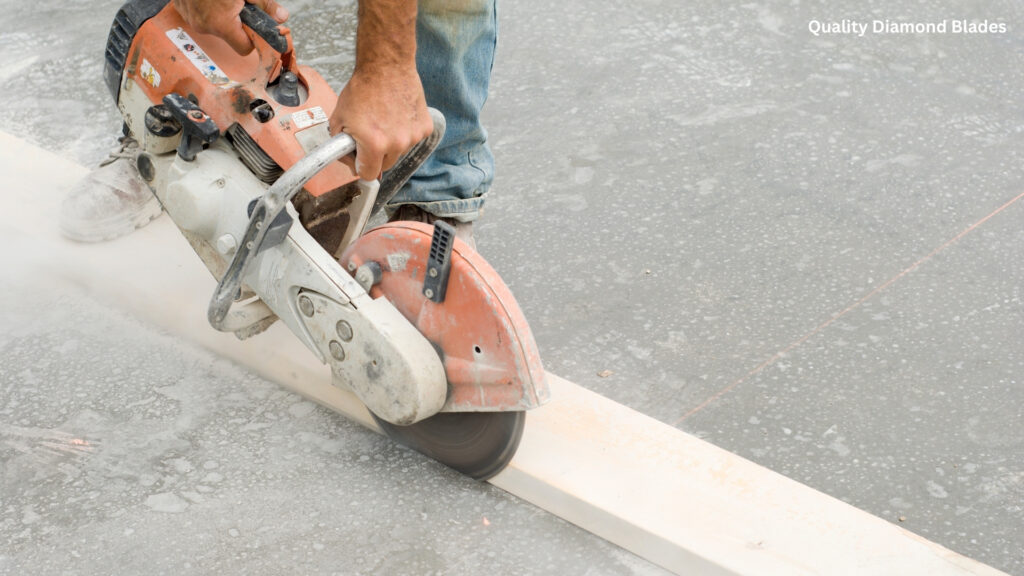
Who Is This Blade For?
-
Contractors and construction professionals who demand high performance and fewer blade changes.
-
Masonry and concrete specialists working on structural, slab or commercial jobs.
-
Serious DIYers tackling major concrete work—foundation repair, slab cutting, renovation or addition.
-
Any project or job site where reliable, professional-grade concrete cutting is required.
- FREE Shipping over $100
- Engineered for Maximum Durability
- Precision Cuts Every Time
- Fits All Major Saw Brands
- Trusted by Industry Professionals
- Money-Back Satisfaction Guarantee
- Fast, Reliable Customer Support
- Bulk Discounts Available
- Perfect for Wet or Dry Cutting
Services
Concrete Cutting BladesMasonry Diamond BladesMetal Cutting BladesDemolition BladesAsphalt Cutting BladesStone Cutting BladesContact Us
- 25583 Avenue Stanford, Santa Clarita, CA 91355 United States
- Mon - Fri: 9am - 5pm Sat 9-3pm