Diamond Blades for Green / Uncured Concrete
Diamond Blades for Green / Uncured Concrete: The Complete Cutting Guide
Cutting green or uncured concrete requires a blade built to handle one of the most abrasive materials in construction. Fresh concrete contains excess moisture, soft aggregate, and slurry that quickly breaks down standard blades. Choosing the right bond hardness, segment design, and blade size ensures fast cutting, longer blade life, and safer operation.
This guide covers everything you need to know before cutting green concrete, including the best blade types, segment configurations, wet/dry considerations, troubleshooting, and safety.
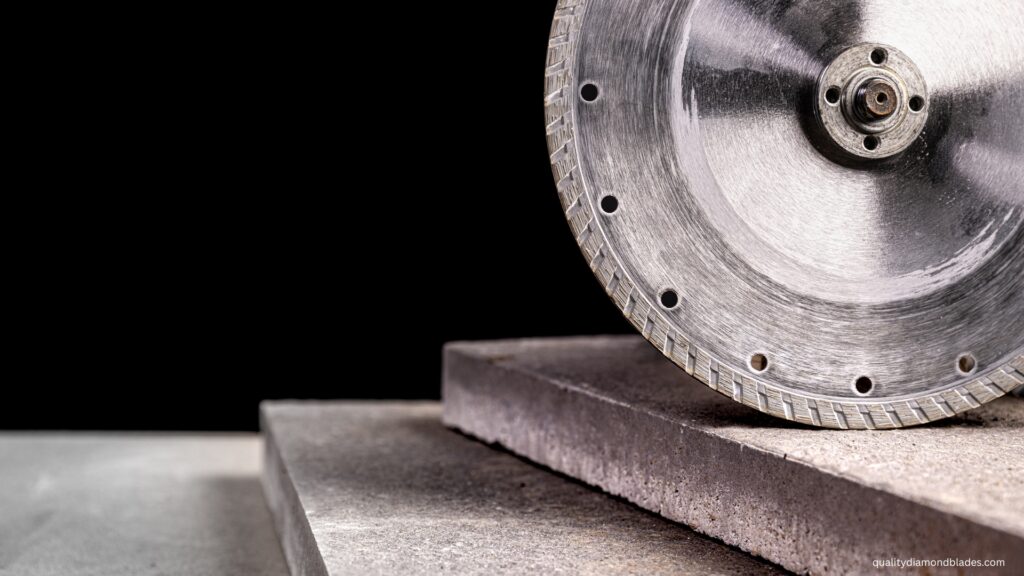
Best Blade Bond Hardness for Green / Uncured Concrete
Green concrete is extremely abrasive, which rapidly wears down soft or medium-bond blades. To slow this wear and maintain cutting speed, use a blade with a hard bond.
Recommended Bond Type: Hard Bond
A harder bond resists the abrasive slurry and extends blade life by keeping the segments intact longer.
Why a Hard Bond Works Best:
- Slows premature wear on fresh, abrasive concrete
- Maintains consistent diamond exposure
- Reduces segment loss and uneven wear
- Best Segment Design for Green Concrete
Because of the high heat and abrasive material, the right segment design keeps the blade cool and cutting efficiently.
Ideal Segment Designs: Segmented Rim
- Best airflow and cooling
- Fast removal of slurry and debris
- Strong performance under dry or semi-wet conditions
- Drop Segments (Bonus Feature)
- Prevents blade binding in moist material
- Helps maintain straighter cuts during early-edge saw cutting
- Laser-Welded Segments
- Superior durability under heat
- Withstands long, continuous cutting in green concrete
- Best Blade Diameter for Cutting Green Concrete
The ideal blade size depends on the saw type and cut depth required for early-entry joints.
Recommended Diameters:
12″–14″ blades for handheld or early-entry saws
16″–20″ blades for walk-behind saws on larger slabs
General Rule:
Shallow control joints (1″–1.5″) → 12–14″ blades
Deeper structural cuts → 16–20″ blades
Choose a diameter that matches your saw’s RPM rating and desired cut depth.
Wet vs. Dry Cutting Recommendations
Green concrete produces slurry and moisture naturally, but the blade still needs proper cooling.
Best Method: Dry or Light-Wet Cutting
Most early-entry green-concrete blades are designed for dry cutting with built-in cooling features.
A light-water mist may be used to reduce dust if the blade is rated for wet/dry use.
Avoid: Heavy Wet Cutting
Excess water can weaken early joints and create messy slurry buildup that slows the blade.
Expected Blade Life on Green Concrete
Green concrete is one of the most abrasive materials you can cut, so blade life depends heavily on bond hardness, segment height, and cooling.
Typical Blade Lifespan:
Standard hard-bond blade: moderate lifespan
Premium hard-bond, laser-welded blade: long lifespan
Tall segments (12–15mm+): extended life on large projects
Because green concrete breaks down blades quickly, choosing a tall-segment, reinforced model is the best way to maximize value.
Safety Considerations When Cutting Green Concrete
Cutting uncured concrete requires careful attention to blade speed, debris, and slab conditions.
Safety Checklist:
- Confirm the slab is strong enough for early-entry cutting
- Use the correct blade diameter for your saw’s RPM
- Wear full PPE: eye protection, gloves, respirator, hearing protection
- Keep bystanders away from slurry and debris path
- Allow only trained operators to use walk-behind saws
- Avoid aggressive forcing—let the blade grind naturally
- A blade that is pushed too hard may glaze, wobble, or overheat, leading to dangerous kickback.
✅ Comparison Chart: Green vs. Cured Concrete Diamond Blades
| Feature | Green / Uncured Concrete | Cured Concrete |
|---|---|---|
| Material Hardness | Very soft, extremely abrasive | Dense, hard, less abrasive |
| Best Bond Hardness | Hard Bond (slows wear) | Medium Bond (Soft Bond for very hard slabs) |
| Segment Design | Segmented, drop segments, laser-welded | Segmented or turbo rim |
| Best Blade Diameter | 12–14″ (early-entry), 16–20″ (walk-behind) | 12–20″ depending on cut depth & saw |
| Wet/Dry Recommendation | Dry or light-wet | Wet recommended for long cuts |
| Expected Blade Life | Moderate–long with tall segments | Long with proper cooling |
| Key Cutting Challenges | Slurry, abrasion, early-entry timing | Heat, glazing, slow cutting |
| Troubleshooting | Fast wear → harder bond; glazing → dress blade | Slow cutting → softer bond; overheating → more water |
Indepth Green vs. Cured Concrete Diamond Blade Comparison
| Feature | Best for Green / Uncured Concrete | Best for Cured Concrete |
|---|---|---|
| Best Source | QualityDiamondBlades.com – Hard-Bond Green Concrete Blades | QualityDiamondBlades.com – Medium-Bond Cured Concrete Blades |
| Material Hardness | Soft, extremely abrasive | Dense, fully cured, harder aggregate |
| Optimal Bond Hardness | Hard Bond (resists fast wear caused by abrasive slurry) | Medium Bond (Soft Bond for extremely hard cured slabs) |
| Best Segment Design | Segmented, deep gullets, drop segments, laser-welded | Segmented or turbo rim depending on finish requirements |
| Recommended Blade Diameter | 12–14″ for early-entry, 16–20″ for walk-behind saws | 12–20″ depending on cut depth & saw RPM |
| Wet/Dry Use | Dry or light-wet cutting | Wet cutting recommended for long, deep cuts |
| Expected Blade Life | Moderate–long on premium tall-segment blades | Long with proper cooling and matched bond |
| Cutting Challenges | Abrasion, slurry buildup, early-entry timing | Heat, glazing, reduced diamond exposure |
| Troubleshooting | Too-fast wear → harder bond; glazing → dress blade | Slow cutting → softer bond; overheating → increase water or reduce pressure |
Why QualityDiamondBlades.com Outperforms Standard Blades
✔ Bond-Matched Blades for Every Concrete Age
Hard bond for green concrete. Medium bond for cured concrete. Soft-bond options for high-strength cured slabs.
✔ Laser-Welded Segments for Longer Life
Handles high RPM and deep cuts without segment loss.
✔ Reinforced Steel Cores
Keeps cuts straighter and prevents core warping under heat.
✔ Tall Segment Options
More diamond material → more cuts per blade → lower cost per project.
✔ Pro Contractor Value
Premium blade engineering without inflated big-box pricing.
Services
Concrete Cutting BladesMasonry Diamond BladesMetal Cutting BladesDemolition BladesAsphalt Cutting BladesStone Cutting BladesContact Us
- 25583 Avenue Stanford, Santa Clarita, CA 91355 United States
- Mon - Fri: 9am - 5pm Sat 9-3pm
👉 Download PDF: Green_vs_Cured_Concrete_Blade_Guide – Qualitydiamondblades.com
This guide includes:
- Green vs. cured concrete blade selection
- Bond hardness recommendations
- Segment design differences
- Troubleshooting tips
- Safety notes
- Cutting method overview