Diamond Blades for Granite: High-Precision Cutting for Natural Stone
Granite is one of the hardest natural stones used in construction. Its crystalline structure and density demand a blade built for strength, stability, and clean grinding performance. Using the proper bond hardness and segment design ensures smooth edges, minimal chipping, and maximum blade life—whether you’re fabricating countertops, cutting pavers, or shaping architectural stone.
This guide covers the best diamond blades for granite, ideal segment configurations, cutting methods, troubleshooting, and a detailed comparison with marble and general masonry blades.
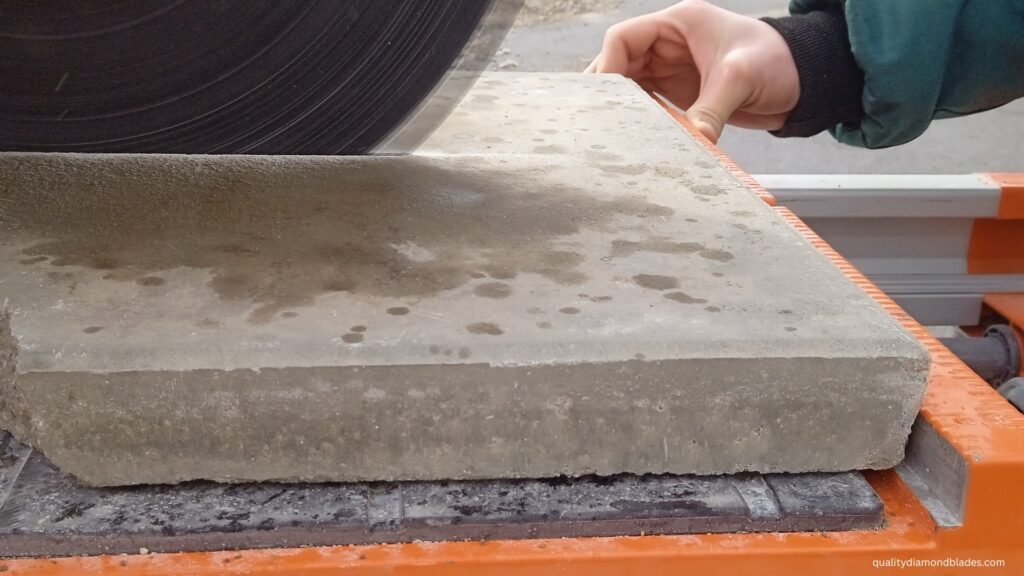
Best Bond Hardness for Granite
Granite’s dense mineral composition requires steady diamond exposure and strong segment durability.
Recommended Bond Type: Soft Bond
A soft bond releases diamonds quickly enough to grind through granite’s hard crystalline structure.
Why Soft Bond Works Best:
- Granite is extremely hard and dulls diamonds quickly
- Soft bond keeps the cutting surface fresh
- Improves cutting speed and reduces vibration
- For extremely hard granites, premium soft-bond blades with finer diamond grit perform even better.
Best Segment Design for Granite
- Granite needs a blade that combines cutting power with clean-edge stability.
- Ideal Segment Designs
Turbo Rim - Faster cutting on dense stone
- Helps control vibration
- Produces clean edges on fabrication cuts
- Segmented Turbo / Hybrid Rim
- More aggressive cutting ability
- Better for outdoor pavers or thicker stone
- Enhances airflow for cooling
- Reinforced Continuous Rim (Premium Fabrication Work)
- Ultra-smooth finish on high-end stone
- Ideal for sink openings, finishing cuts, and detail work
Best Blade Diameter for Granite Cutting
Blade diameter depends on the depth of cut and the type of equipment used.
Recommended Diameters
4.5″–7″ for grinders (fabrication, detail work)
7″–10″ for bridge saws and tile saws
12″–14″ for handheld cut-off saws (outdoor granite pavers)
16″+ for large-format slabs and architectural stone
Precision cuts typically use smaller blades; large paver cuts require bigger, rigid blades.
Wet vs. Dry Cutting Recommendations
Granite generates extreme heat when cut, and improper cooling can cause chipping or blade warp.
Best Method: Wet Cutting
- Maintains blade temperature
- Reduces dust
- Extends segment life
- Produces polished, chip-free edges
Dry cutting should be limited to shallow or short cuts with a turbo rim on a grinder.
Expected Blade Life on Granite
- Granite wears blades faster than most natural stones due to its hardness.
Typical Lifespan Expectations
- Soft-bond turbo blades → moderate lifespan with fast cutting
- Premium granite blades with reinforced cores → longer lifespan
- Continuous wet cutting significantly improves durability
- Expect shorter life compared to marble or limestone, but better performance using soft-bond, stone-rated blades.
Safety Considerations for Granite Cutting
Granite cutting requires strong control, proper cooling, and dust management.
Safety Notes
- Always cut with adequate water flow
- Wear eye protection, respirator, gloves, and hearing protection
- Clamp or support the stone to prevent vibration
- Do not force the blade—allow diamonds to grind naturally
- Check for cracks or weak spots in slabs before cutting
- Water is essential, especially for long fabrication cuts.
Troubleshooting Granite Cutting Issues
1. Slow Cutting or Blade Stalling
Cause: Diamonds glazing due to hard material
Fix: Switch to soft-bond blade or dress the blade
2. Edge Chipping
Cause: Wrong rim type or feeding too quickly
Fix: Use continuous rim or finer turbo; slow feed rate
3. Overheating
Cause: Insufficient water or aggressive cutting
Fix: Increase water; lighten pressure
4. Blade Vibration
Cause: Weak core or wrong segment design
Fix: Use reinforced core or hybrid turbo rim
Detailed Comparison: Granite vs. Marble vs. Masonry Blades
| Feature | Granite Blades | Marble Blades | Masonry Blades |
|---|---|---|---|
| Material Hardness | Very hard, crystalline | Softer, more uniform | Medium to highly abrasive |
| Optimal Bond Hardness | Soft Bond | Medium to soft | Medium or hard |
| Segment Design | Turbo, hybrid, reinforced rim | Continuous or turbo rim | Segmented or turbo |
| Cutting Speed | Moderate with soft bond | Faster, smoother cuts | Fast, aggressive |
| Heat Management | Wet cutting essential | Wet highly recommended | Wet optional / dry possible |
| Blade Life | Shorter due to hardness | Longer due to softer material | Varies widely |
| Cut Quality | Smooth with correct blade | Very smooth and polished | Rougher, functional cuts |
| Common Problems | Glazing, overheating | Minor chipping | Rapid wear or dust buildup |
Who Is This Blade For?
-
Contractors and construction professionals who demand high performance and fewer blade changes.
-
Masonry and concrete specialists working on structural, slab or commercial jobs.
-
Serious DIYers tackling major concrete work—foundation repair, slab cutting, renovation or addition.
-
Any project or job site where reliable, professional-grade concrete cutting is required.
- FREE Shipping over $100
- Engineered for Maximum Durability
- Precision Cuts Every Time
- Fits All Major Saw Brands
- Trusted by Industry Professionals
- Money-Back Satisfaction Guarantee
- Fast, Reliable Customer Support
- Bulk Discounts Available
- Perfect for Wet or Dry Cutting
Services
Concrete Cutting BladesMasonry Diamond BladesMetal Cutting BladesDemolition BladesAsphalt Cutting BladesStone Cutting BladesContact Us
- 25583 Avenue Stanford, Santa Clarita, CA 91355 United States
- Mon - Fri: 9am - 5pm Sat 9-3pm